A wardrobe looks after clothes in small ways: drawers that smell fresh when you open them, wool that survives the summer without moth holes, an ironing board cover that stays where you put it. None of that takes money — it takes a handful of basics that cost between 70p and £1.36 each.
What follows is the practical set we sell most of, with the honest bits included. Cedar balls genuinely help against clothes moths, but they are not magic, and no scented liner will fix a wardrobe that went away damp. Get the basics right and these cheap things do the rest.
Drawer liners: measure, cut, and let them breathe
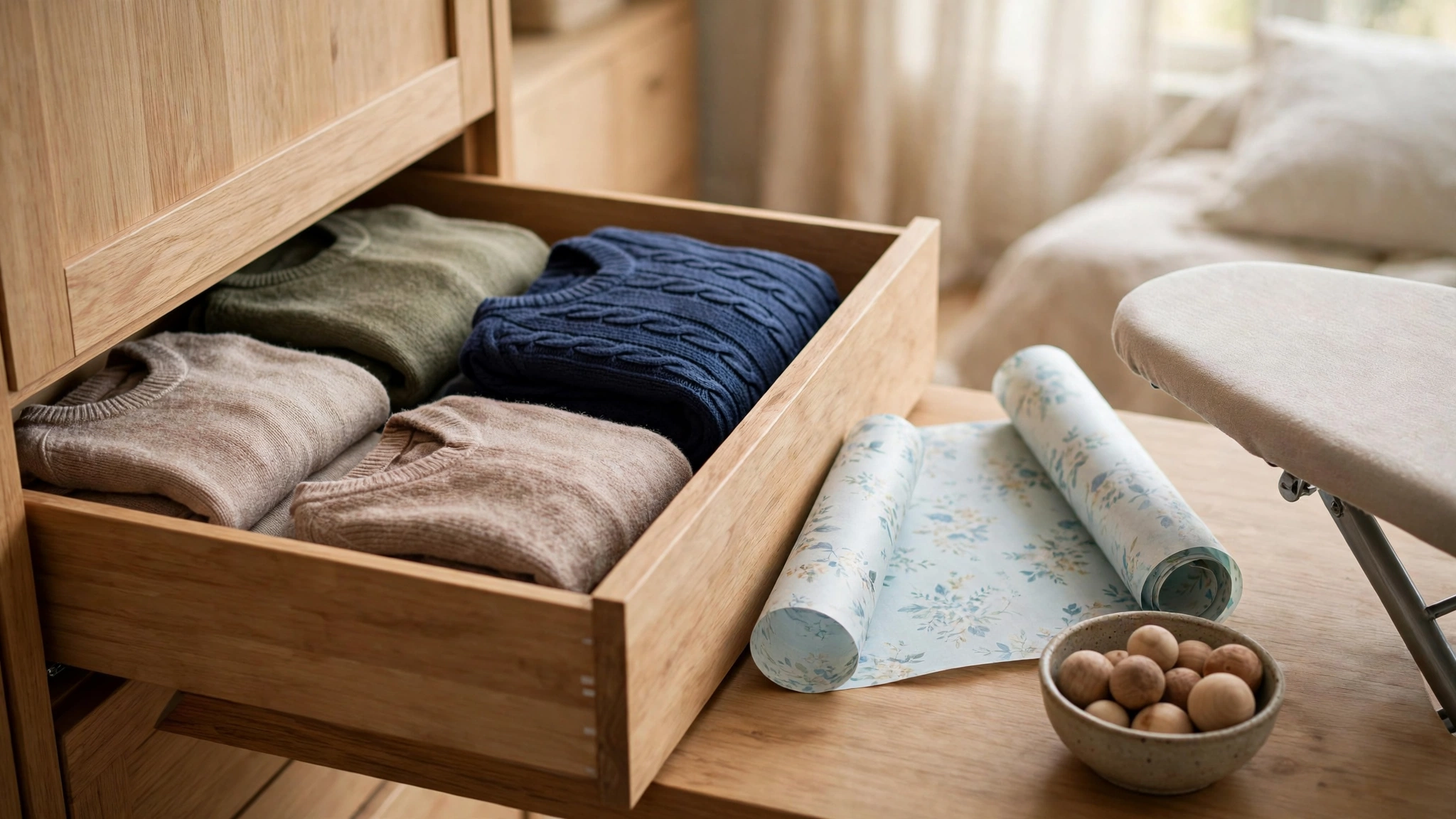
Scented drawer liners do two jobs: they keep folded clothes off bare wood or old drawer bases, and they leave a light scent on everything in the drawer. The Scented Drawer Liners Pack of 4 (£1.32) covers four standard drawers or a couple of deep ones. The trick is in the fitting — a liner cut a centimetre under and left to curl will ride up and bunch under your jumpers within a week.
Measure the inside of the drawer, cut the sheet a fraction smaller than the space, and leave it slightly long front to back so the ends tuck down rather than lift. New liners smell strong for the first few days; if you are lining a drawer for delicates, air the sheet on the line for an afternoon before it goes in. Expect the scent to fade over six to twelve months, which is when the liner has usually earned a replacement anyway.
The clothes moth, honestly
Clothes moth damage comes from the larvae of the webbing clothes moth, and they eat animal fibres: wool, cashmere, silk, feathers, fur. They largely ignore cotton and synthetics. They also prefer fibres carrying traces of sweat and food, which is why the unworn-looking jumper that went away unwashed is the one with holes in September.
Cedar Moth Balls (16 for £1.30) work because cedar oil vapour discourages the adult moths from settling and laying. That is a deterrent, not a cure: a ball of cedar will not clear an active infestation, and lavender, for all its reputation, is weaker still — a pleasant smell, not a treatment. The real routine is boring and effective. Wash or clean knitwear before storing it, vacuum the wardrobe corners and carpet edges where larvae hide, then add cedar where the good wool lives. Sand the balls lightly every few months to refresh the surface oil.
Ironing fixes: a cover that stays put
An ironing board cover that creeps forward as you work makes every shirt take twice as long. Ironing Board Cover Fasteners (pack of 4, £1.20) are elastic straps with clips that grip the cover's edge underneath the board and hold it taut. Clip two along the sides and one near the nose and the cover stops travelling. They also rescue a cover that has shrunk slightly in the wash and no longer reaches its own elastic.
While the board is out, Over Door Ironing Hanger Hooks (2 pack, £1.30) give it a home: the board hangs flat on the back of a door instead of sliding down a wall, and the same hooks take robes, hangers and the laundry pile's overspill. Check the gap at the top of your door before ordering — most internal doors have plenty of clearance, but a door that already scrapes its frame will not thank you.
Safety pins and cotton gloves: the quiet kit
A pack of Safety Pins (50 assorted, 70p) is the wardrobe's repair kit in its simplest form. Gaping blouse placket, broken zip pull, hem that dropped on the way out, curtain hanging off one hook — a pin solves each in ten seconds and buys time for a proper repair. Keep the sizes sorted in a small tin and they will still be there in five years.
White Cotton Gloves (2 pack, £1.36) are for the jobs fingers spoil. Skin oil marks photographs, tarnishes silver and leaves prints on good leather and glossy gift boxes; a pair of gloves makes handling them careless-proof. They are also the traditional choice for inspecting delicate fabrics and for anyone whose hands are rough from work but who still has to fold the good clothes away.
Frequently asked questions
Do cedar balls actually stop clothes moths?
They deter adult moths from laying eggs where the cedar sits, which is genuinely useful for stored knitwear. They will not kill larvae already in a jumper, so clean clothes before storing and treat cedar as the guard, not the cure.
How often should drawer liners be replaced?
When the scent has gone and the paper looks tired — usually somewhere between six and twelve months. If a drawer held something damp or musty, replace the liner straight away rather than trying to freshen it.
Why does my ironing board cover keep slipping?
The elastic or drawstring has usually stretched or shrunk unevenly in the wash, so the cover has nothing pulling it tight. Clips underneath the board hold the edges in tension and stop the cover creeping as the iron pushes it forward.
What are white cotton gloves used for at home?
Handling anything your fingers would mark: photographs, silver, jewellery, good leather, delicate fabrics and collectable paper. They are also handy for folding away best clothes with rough or freshly creamed hands.
Shop the products in this guide
 Scented Drawer Liners Pack of 4£1.32View product
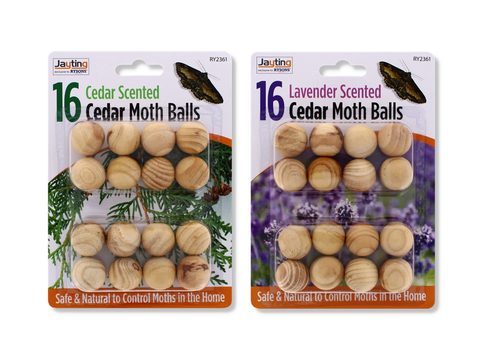 Cedar Moth Balls 16 Pack£1.30Out of stockView product
 Ironing Board Cover Fasteners Pack of 4£1.20View product
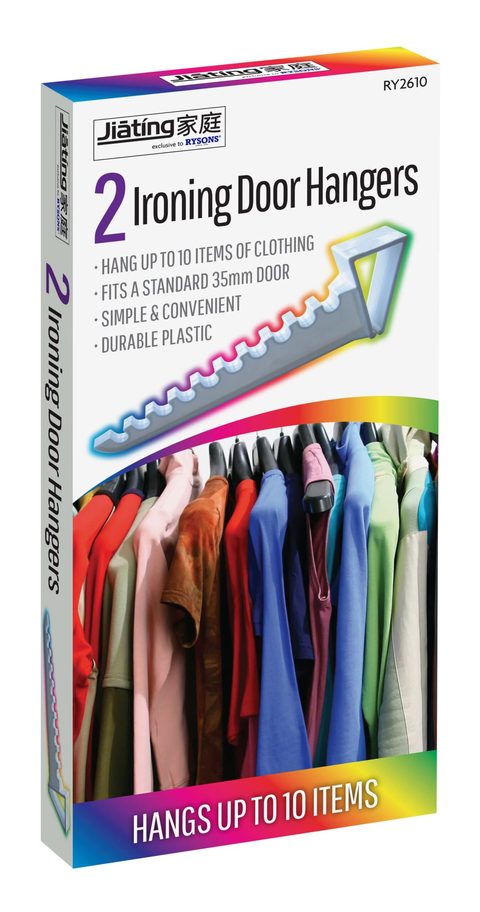 Over Door Ironing Hanger Hooks 2 Pack£1.30Out of stockView product
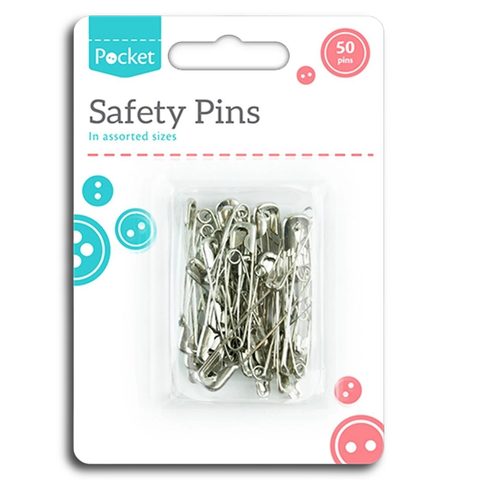 Safety Pins 50 Pack Assorted Nickel Plated Sewing Safety Pins£0.70View product
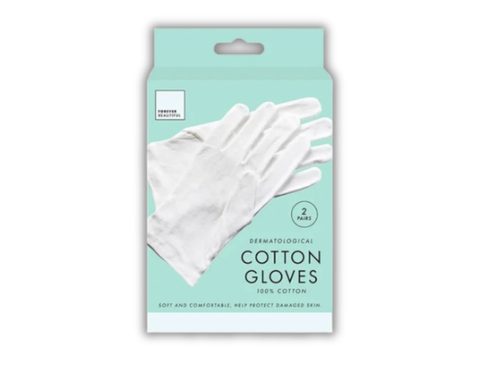 White Cotton Gloves 2 Pack£1.36View product