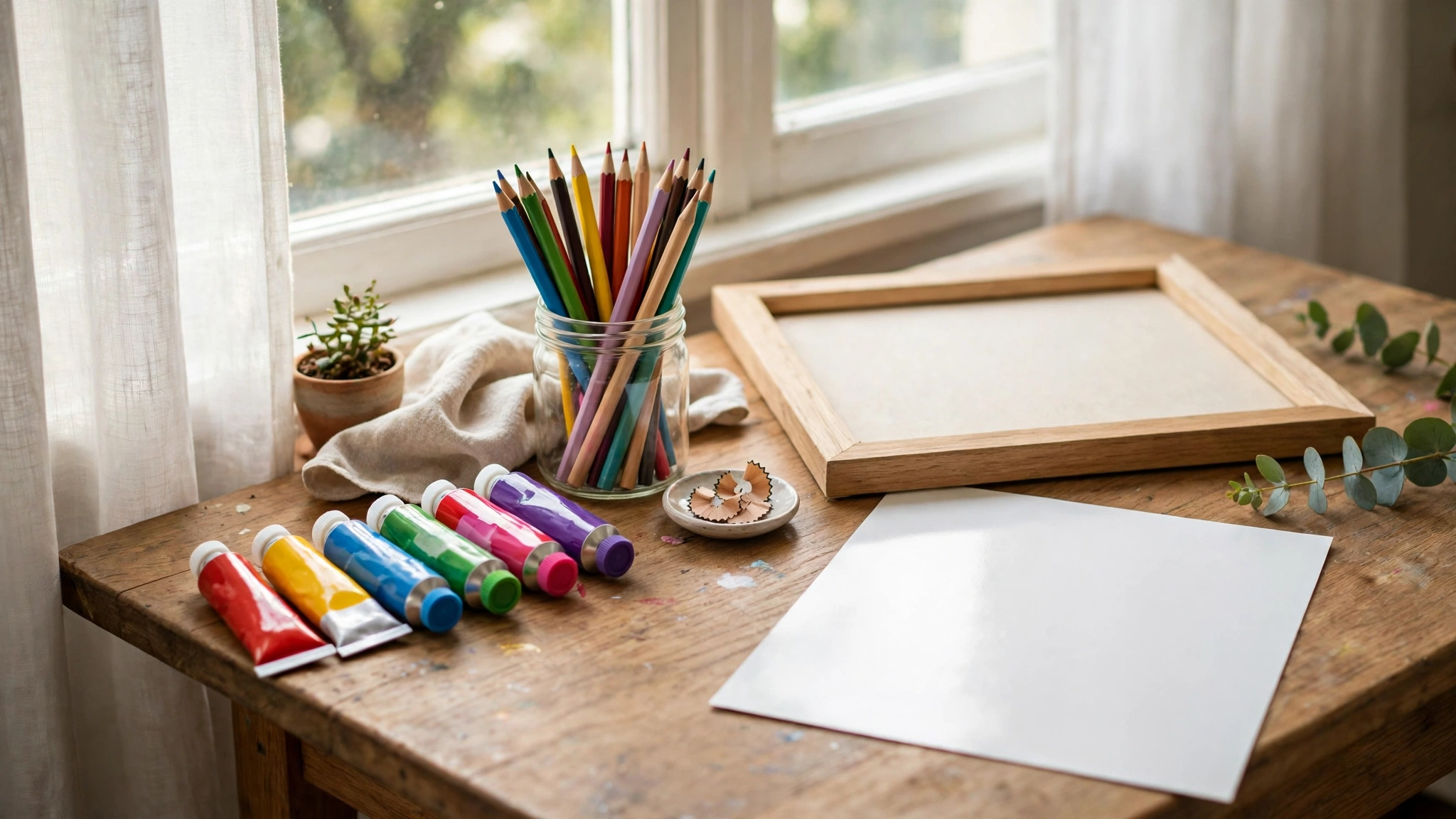
A starter art kit does not need to cost much: one mixed paint set, a small canvas and a pack of colouring pencils come to £4.60, and that is enough to find out whether painting is for you. The trick is knowing what each bit is actually for, because watercolour, acrylic and oil behave like three different materials that happen to share a name.
Cheap art materials have real limits - less pigment, smaller tubes - but for learning, practising and keeping children busy they are honestly fine. Buy the £2 set to learn on, and you will know exactly what to spend more on later, if you ever want to.
Three paints in one box, three different jobs
Our Artist Paints 10 Pack (£2.00) puts watercolour, acrylic and oil tubes in one set, which sounds like a bargain and is - as long as you use each one where it belongs. Watercolour is the translucent one: you mix it with plenty of water, work on paper, and build colour in pale layers. It is forgiving to clean up and hopeless at covering mistakes, because everything shows through.
Acrylic is the practical middle ground. It goes on opaque, covers well, dries in minutes and cleans off brushes with water, and it sticks to canvas, wood and card. Oil is the slow one: buttery, rich, and wet for days rather than minutes, which makes blending easy and tidying up a chore - brushes need white spirit, and a painting needs a ventilated spot to sit while it dries. In a set at this price the oil tubes are best treated as a taster: the colours are weaker than artist-grade oils and the tubes are small, but you will learn whether you enjoy the feel of it.
A small canvas makes it feel like a real project
Paper is fine for practice, but a finished piece on canvas feels like the real thing, and the Artist Framed Canvas at 25x20cm (£1.40) is already stretched on its frame, so it can go straight on a wall or a shelf when it dries. The size is the point: a canvas this small can be finished in one sitting, which matters for beginners and children. A huge canvas that never gets finished teaches nothing.
Acrylic suits these small canvases best - it grips the primed surface, dries fast enough to add a second layer the same afternoon, and does not need varnishing to look finished. Watercolour mostly slides and pools on canvas unless you buy special grounds, so keep it on paper where it is happy.
Pencils are not just for children
The Colouring Pencils 18 Pack (£1.20) will mostly live two lives: school projects and homework for the children, and the adult colouring books that half the country bought and half-finished. Eighteen colours covers both jobs decently, including skin tones and enough greens for the garden scenes that colouring books love.
The honest limits: the leads are softer than premium pencils, so they wear down faster and snap if you press like you are signing a contract. A light hand and a decent sharpener get far more out of them than force does. Keep them in the box rather than loose in a drawer, because dropped pencils crack their leads inside the wood and then sharpen unevenly forever.
Photo paper, laminating pouches and the hidden costs
The A4 High Gloss Photo Paper (£1.26 for 10 sheets) works in inkjet printers and gives a proper glossy finish for family photos and school projects. The paper is not the expensive part, though - ink is. A full A4 photo drinks ink, so print your best few pictures rather than the whole camera roll, and let prints dry flat for an hour before stacking them, or they will stick together. One firm warning: this paper is for inkjets only. Glossy coatings can melt inside a laser printer and damage it.
Laminating Pouches in A4 (£2.50) protect recipes, certificates, garden labels and the allotment plan from splashes and handling. They need a laminator to seal - the pouches alone do nothing - so they are worth buying if you already own one or can borrow one from a school or office. Sealed properly, a recipe card survives years beside a hob; sealed badly, with the pouch off-centre, it peels at the corner within a month.
Frequently asked questions
Can I use watercolour, acrylic and oil on the same painting?
Not happily. Watercolour will not grip a primed canvas or sit well over acrylic, while acrylic painted over oil simply will not stick and will peel. Oil over fully dry acrylic is the one combination that works, because acrylic makes a stable base.
Is a £2 paint set good enough for a complete beginner?
Yes - for learning what each paint does, it is ideal. The colours are less concentrated than expensive paints, so reds and blues look a little weaker, but brush control, mixing and patience are the same skills whatever the tube cost.
Can I seal laminating pouches without a laminator?
Not reliably. The pouches seal with heat, and an iron on a low setting through a tea towel sometimes works, but it often leaves bubbles or melts an edge. If you laminate often, a basic laminator pays for itself; if it is a one-off, borrowing one is the sensible move.
Why do my printed photos look dull on glossy paper?
Usually the printer is set to plain paper, so it lays down the wrong amount of ink. Choose the glossy photo setting in the print menu, print on the shiny side, and give the sheet a few minutes to dry before judging the colours.
Shop the products in this guide
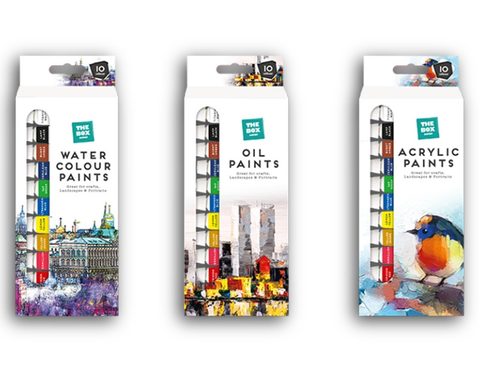 Artist Paints 10 Pack – Watercolour, Acrylic & Oil Paint Set£2.00View product
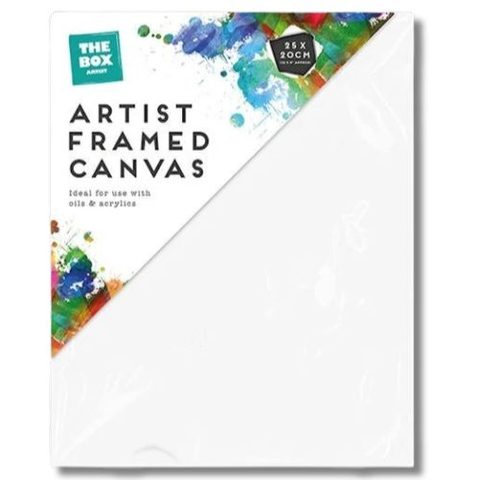 Artist Framed Canvas 25x20cm£1.40View product
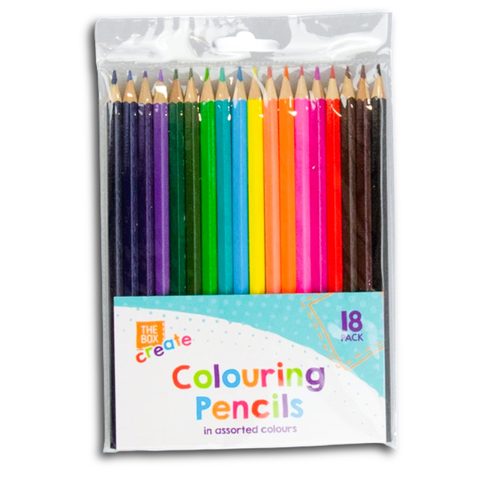 Colouring Pencils 18 Pack Kids Coloured Pencils for Art & Crafts£1.20View product
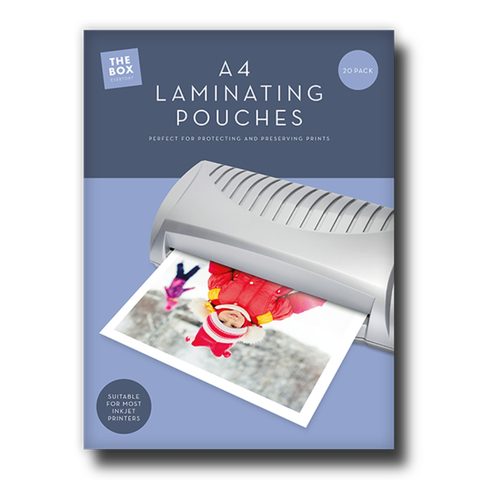 Laminating Pouches A4 Sheets£2.50View product
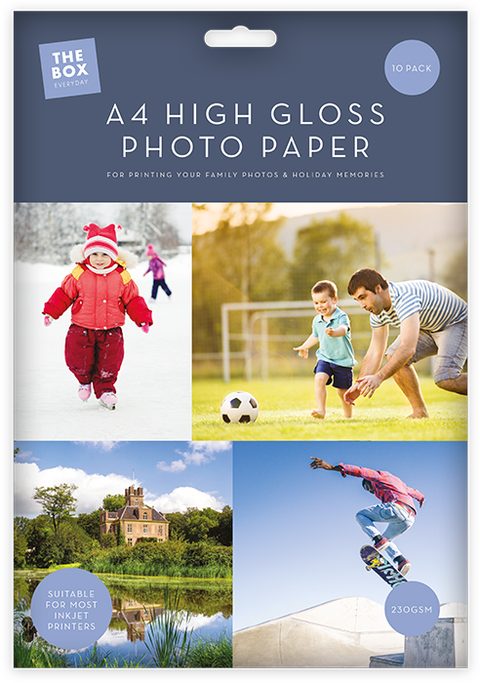 A4 High Gloss Photo Paper 10 Pack£1.26Out of stockView product