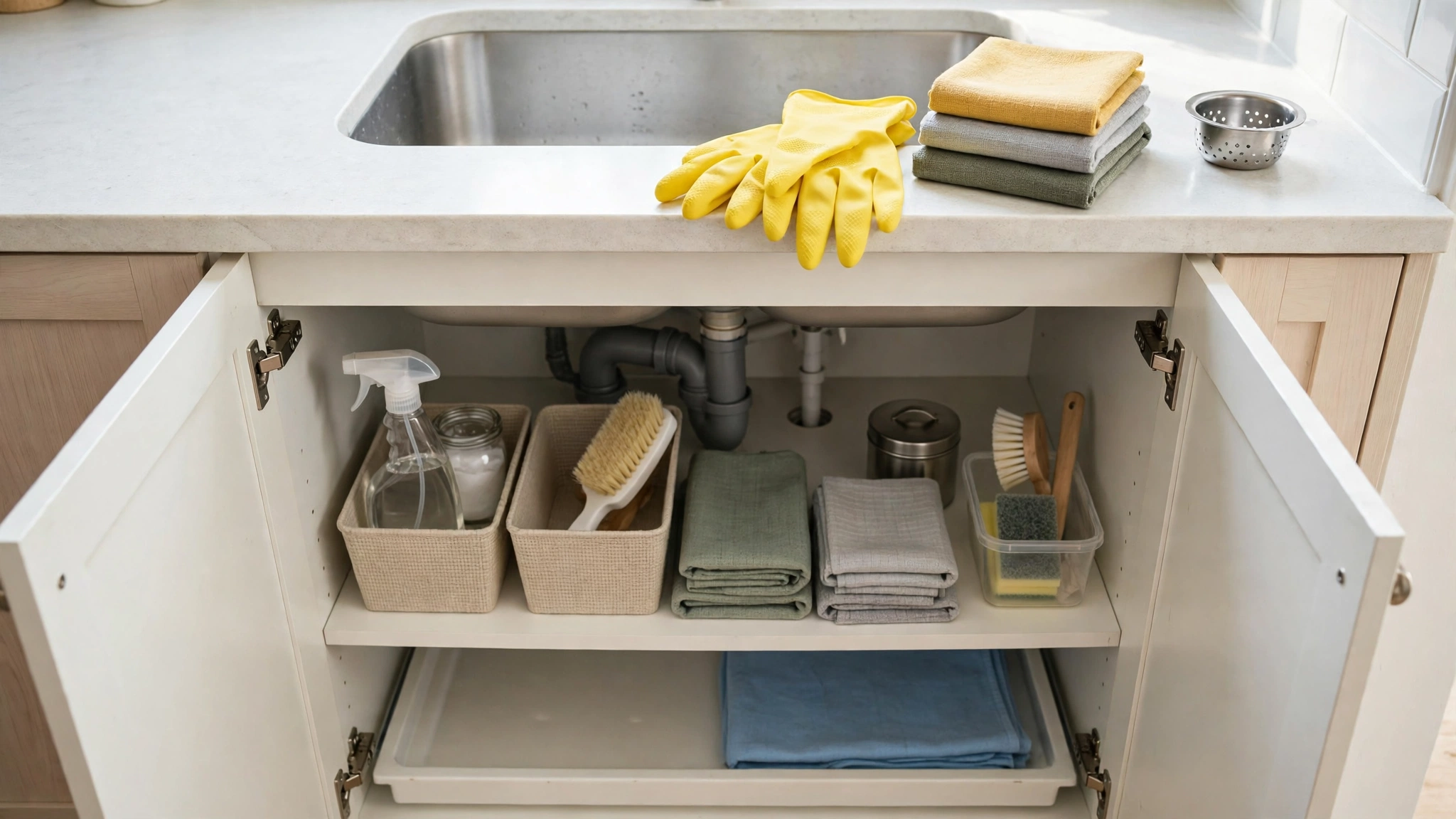
A cleaning cupboard reset only works if it is built around jobs that happen every single week: dust that lifts instead of skating across the shelf, gloves matched to the mess, a strainer that stops food ever reaching the pipes, and smells tackled at the source first with fresheners as the finishing touch. Anything bought for a job that happens twice a year is just storage practice.
Most cupboards under sinks tell the same story: six half-used sprays, a mop head of unknown age and nothing at all for the blocked drain that actually ruins a weekend. The basics below are cheap enough to keep stocked permanently, and each one prevents a bigger bill or a worse job later.
Dusters that pick up, not push around
A dry cotton cloth mostly moves dust to the edge of the shelf and into the air, where it settles again by bedtime. Microfibre works differently: the split fibres grip dust and hold it, which is why the 3 pack of microfibre dusters at £1.00 is such a useful cheap buy. Use them dry for dusting shelves, skirting boards and the top of the television, then shake them outside. For sticky marks, use one slightly damp rather than wet; dripping cloths leave smears on wood and screens.
Give each duster a job and it stays that way: one for general dusting, one for the bathroom mirror and tiles, one sacrificial cloth for the filthy work behind the cooker. Wash them without fabric softener, because softener coats the fibres and quietly switches off the grip that made them worth buying. When a duster stops picking up even after washing, demote it to garage duty rather than letting it pretend in the house rotation.
Two gloves, two kinds of mess
Reusable household gloves and disposable gloves look interchangeable and are not. The yellow household gloves, 2 pairs at £1.10, are for washing-up and scrubbing: they grip, they keep hot water and cleaning products off your skin, and they protect a manicure or cracked hands through a whole sink of pans. Rinse them, dry them over the tap and they last weeks. One honest note: they are latex, so anyone with a latex allergy should choose a non-latex alternative instead.
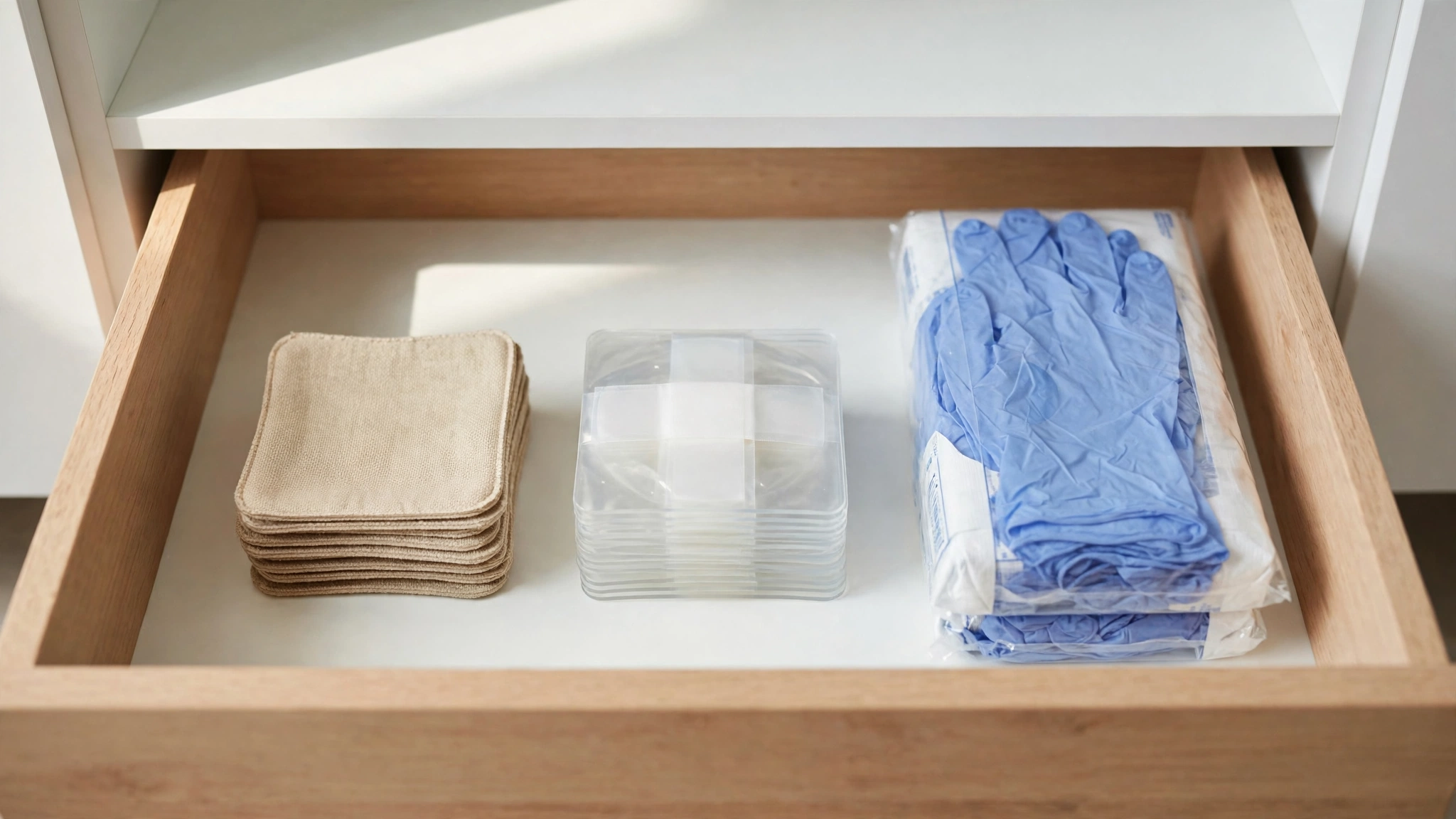
The disposable poly gloves, 100 for 76p, are for the one-off messy jobs where washing a glove afterwards makes no sense: handling raw chicken, cleaning the bin, hair dye, litter trays, checking what's blocking a plughole. They are thin and loose-fitting, and they will tear on sharp edges or a determined thumbnail, so they are not for scrubbing or oven racks. At well under a penny a glove, the right habit is to change them between raw meat and anything else, and bin them rather than rinsing and hoping.
Sink strainers save real money
A plumber call-out for a blocked sink costs more than everything else in this article put together several times over, and most blockages are just food, rice and hair that should never have entered the pipe. The stainless steel strainer and plug set at 90p sits over the plughole and catches the lot; you lift it out and tap it into the bin, which takes five seconds and becomes automatic within a week. The finer metal filter packs suit bathroom basins and showers, where hair does the damage.
Empty the strainer into the bin, never by rinsing it through into the sink it is protecting, and give it a wash with the dishes now and then so it does not become the smell it was meant to prevent. A strainer is not a licence to pour fat down the drain either: wipe greasy pans with kitchen paper into the bin first, because fat sets in pipes no matter how good the filter is.
Smell is a symptom first
Fresheners have a place, but it is second in the queue. A fridge freshener 2 pack at £1.50 will keep a clean fridge smelling neutral for weeks, yet it cannot outwork a spilt sauce drying under the salad drawer or last month's forgotten leftovers. Wipe the shelves, check dates honestly, keep strong cheese and onions in sealed boxes, and then let the freshener hold the line. The same thinking applies to the lemon dishwasher hangers at £1.10: pleasant after the real job, which is scraping plates, cleaning the filter and not leaving wet dishes shut inside overnight.
It is the same rule that sits behind our guide to how to clean a smelly washing machine: machines and fridges smell because residue builds up somewhere specific, not because the room lacks perfume. Find the residue, clean it, and the £1 freshener on top becomes a pleasure rather than a cover story. That order — cause first, scent second — is the whole secret of a house that smells clean rather than fragranced.
Frequently asked questions
Can microfibre dusters go in the tumble dryer?
They cope better air-dried, and the bigger rule is to skip fabric softener in the wash, which coats the fibres and stops them gripping dust. Wash them with similar colours, because they pick up dye as happily as dust. A duster that has gone smooth and shiny is done.
Are the disposable gloves safe for food handling?
Yes, that is one of their main jobs: raw meat, marinades, chillies and anything else you do not want on your hands or under your nails. Change them between raw meat and ready-to-eat food, and treat them as single use even if they look clean.
Why does my sink still smell with a strainer fitted?
The strainer stops new food going down, but older residue in the trap and overflow can still smell. Empty and wash the strainer itself, pour a kettle of hot water through slowly, and if the smell persists the trap underneath may need cleaning out — a gloves-on job if you are confident, a plumber's if you are not.
Will a fridge freshener cope with strong cheese?
Not on its own. Strong cheese, onions and leftover takeaways need sealed containers first; smells travel through a fridge remarkably fast. With the source boxed, a freshener keeps the general background neutral instead of perfumed.
Shop the products in this guide
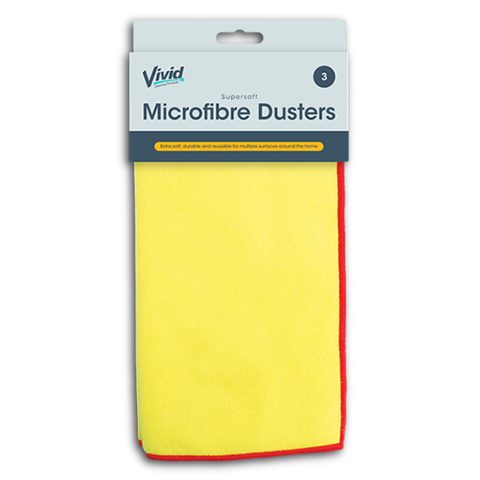 Microfibre Dusters 3 Pack£1.00View product
 Household Gloves 2 Pairs Medium Yellow Latex Rubber Cleaning Gloves£1.10View product
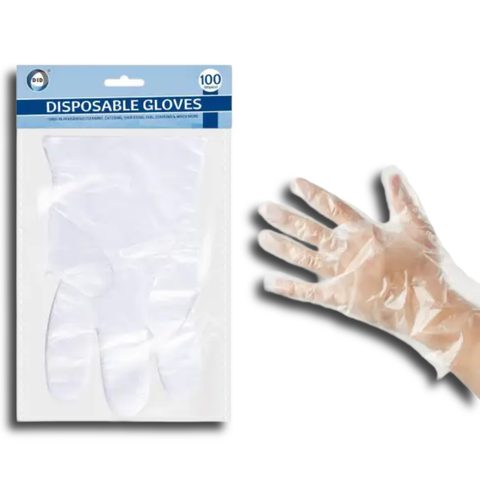 Disposable Gloves 100 Pack (50 Pairs) Clear Polyethylene Single Use Gloves£0.76View product
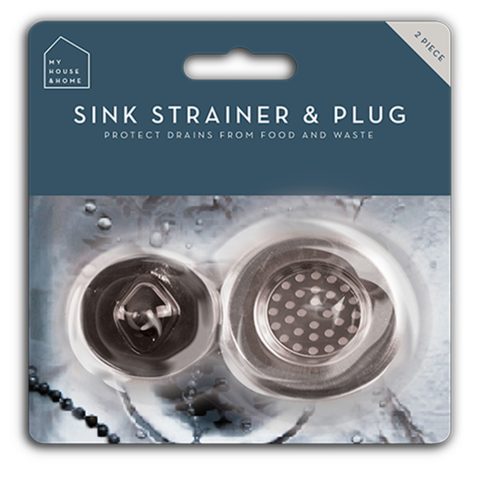 Sink Strainer & Plug Set 2 Piece Stainless Steel Drain Filter£0.90View product
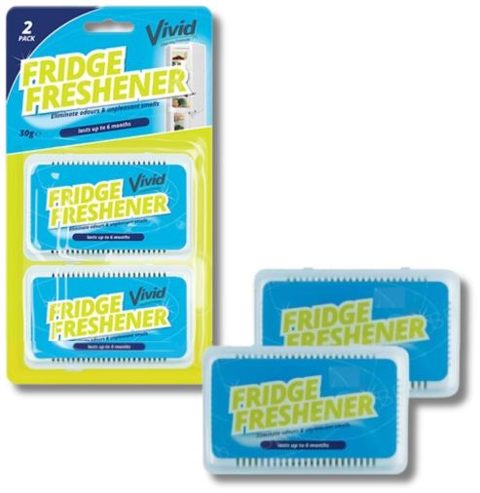 Fridge Freshener 2 Pack£1.50View product
 Lemon Fresh Dishwasher Scent Hangers 2 Pack£1.10View product